Crypto’s Wild West Is Over: Who Will Survive?
Discover how MiCA, travel rule laws, and bank-grade compliance are reshaping crypto. Learn what VASPs must do now to stay trusted, scalable, and profitable.

Discover how MiCA, travel rule laws, and bank-grade compliance are reshaping crypto. Learn what VASPs must do now to stay trusted, scalable, and profitable.
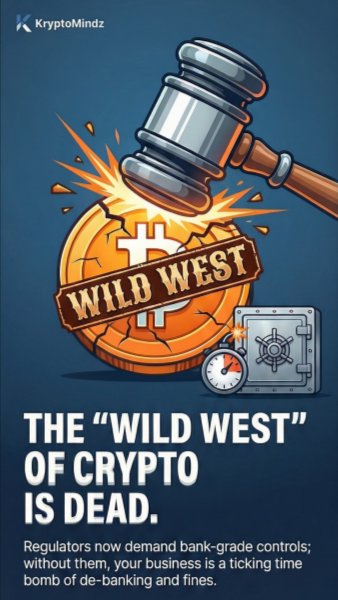
The early crypto market often rewarded speed over structure, but that era is quickly being replaced by regulated, compliance-first growth. Crypto businesses can no longer rely on vague policies, offshore loopholes, or minimal identity checks and expect to scale safely. Exchanges, wallet providers, and VASPs that build strong AML, KYC, licensing, and risk-monitoring systems are the ones most likely to survive regulatory pressure. In practical terms, the winners will be platforms that can prove who their users are, where funds are moving, and how risks are being controlled. Regulation is no longer just a legal burden; it is becoming a filter that separates serious crypto businesses from short-term operators.
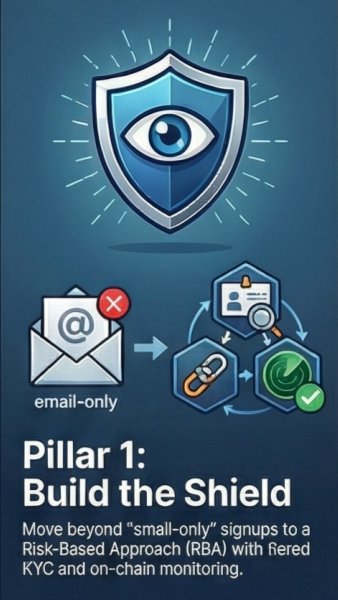
A crypto signup flow is no longer just a user experience issue; it is now a major regulatory checkpoint. If a platform allows fake identities, sanctioned users, duplicate accounts, or high-risk jurisdictions to slip through, it can quickly attract enforcement action. Regulators increasingly expect crypto exchanges and VASPs to apply bank-grade KYC, document verification, liveness checks, sanctions screening, and ongoing monitoring from the very first interaction. For example, a fast onboarding process may look good for conversions, but if it misses fraud signals, the business may face frozen operations, blocked banking relationships, or heavy fines. The challenge is to create a signup journey that is smooth for legitimate users while being strict enough to stop financial crime.
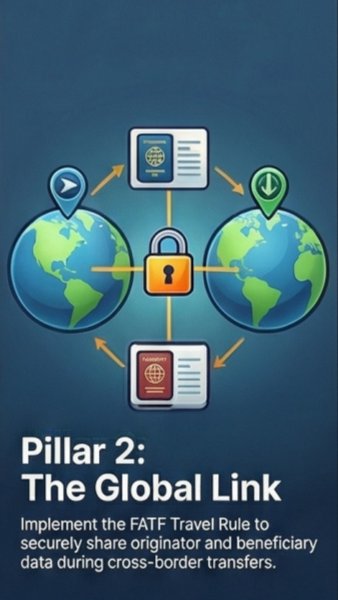
The Travel Rule has changed how crypto businesses handle cross-border transfers by requiring verified sender and receiver information to move with certain transactions. This means VASPs can no longer operate as isolated platforms with limited visibility into counterparties. When funds move between exchanges, custodians, or wallet services, regulators expect clear data sharing, audit trails, and cooperation between institutions. A platform that cannot securely collect, transmit, and verify Travel Rule data may lose access to regulated partners or face restrictions in key markets. In real-world terms, global crypto growth now depends on interoperability, trusted data exchange, and compliance systems that work across borders.
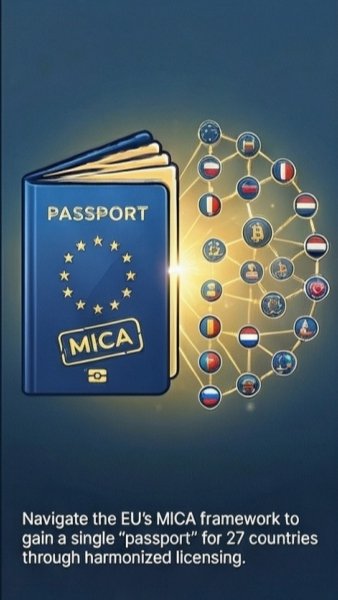
MiCA, the Markets in Crypto-Assets Regulation, gives crypto businesses a clearer route to operate across the European Union under one harmonized framework. Instead of navigating 27 different national rulebooks, a licensed Crypto-Asset Service Provider can potentially passport services across all EU member states. This is a major opportunity for exchanges, custodians, token issuers, and other crypto firms that want regulated market access at scale. However, MiCA also raises expectations around governance, consumer protection, capital requirements, operational resilience, and transparency. Businesses that understand the framework early can turn EU crypto regulation into a structured expansion strategy rather than a last-minute compliance problem.
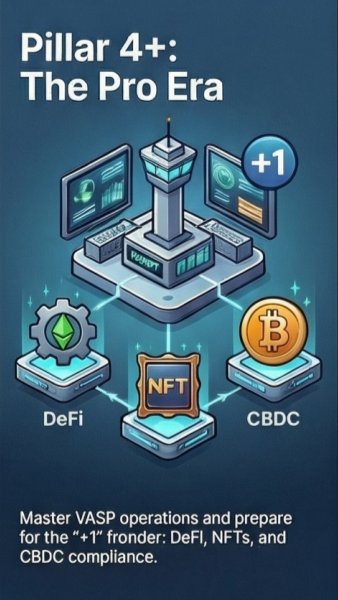
As crypto markets mature, VASPs are expected to support more than simple token trading; they may need to handle DeFi access, NFT marketplaces, stablecoins, and future CBDC integrations within one professional compliance setup. This requires more than basic identity checks, because different products carry different risks, from smart contract exposure to money laundering concerns and consumer protection issues. A serious VASP should be able to monitor transactions, assess wallet risk, apply jurisdiction rules, and maintain licensing standards across multiple digital asset services. For example, an institution is far more likely to work with a platform that can show clear controls for NFT fraud, DeFi counterparty risk, and regulated custody. Strong compliance infrastructure makes innovation safer, more scalable, and more attractive to banks, investors, and enterprise partners.

Crypto regulation should not be viewed only as a cost center; it can become one of the most valuable assets in your business model. Platforms that invest in compliance can build stronger trust with users, regulators, banks, liquidity providers, and institutional partners. The practical result is better market access, fewer operational disruptions, and a stronger foundation for long-term growth. If you want to understand how to turn compliance into a strategic advantage, join our Udemy course and learn the frameworks behind modern VASP regulation, KYC, AML, Travel Rule readiness, and MiCA compliance. You can find the course link in the description and start building a crypto business that is prepared for the regulated future.
Follow the hub for MiCA, stablecoins, RWA regulation, CASP controls and related training resources.
Related Service RWA & Crypto Compliance StrategyPlan regulated token, stablecoin and RWA programs with governance, risk controls and security reviews.
Implementation Use Case Web3 RWA Compliance OperationsSee how teams can coordinate token workflows, compliance evidence and exceptions across regulated asset operations.
Recommended Course Real-World Assets & TokenizationBuild practical fluency in tokenized assets, settlement models, custody, risk and regulatory operating models.
YouTube Playlist Stablecoin & RWA Regulation BriefingWatch the playlist on CLARITY, GENIUS, STABLE Acts, MiCA comparisons and RWA strategy.
Book a Discovery Call Map This to Your RoadmapDiscuss how this topic applies to your product, compliance posture, architecture or delivery plan.
Editorial trust
Each KryptoMindz article is reviewed against current enterprise AI, blockchain, digital identity and compliance practices before publication or major updates.
Founder-led perspective from KryptoMindz Technologies, focused on secure AI adoption, Web3 risk, digital identity and enterprise trust architecture.
LinkedIn profileResearch, engineering and advisory work across AI Agents, Enterprise Blockchain, Digital Identity and Digital Trust Engineering.
YouTube channelDiscover more insights and resources on our platform.
Visit Kryptomindz